Home › Road, Street, and Municipal Paving
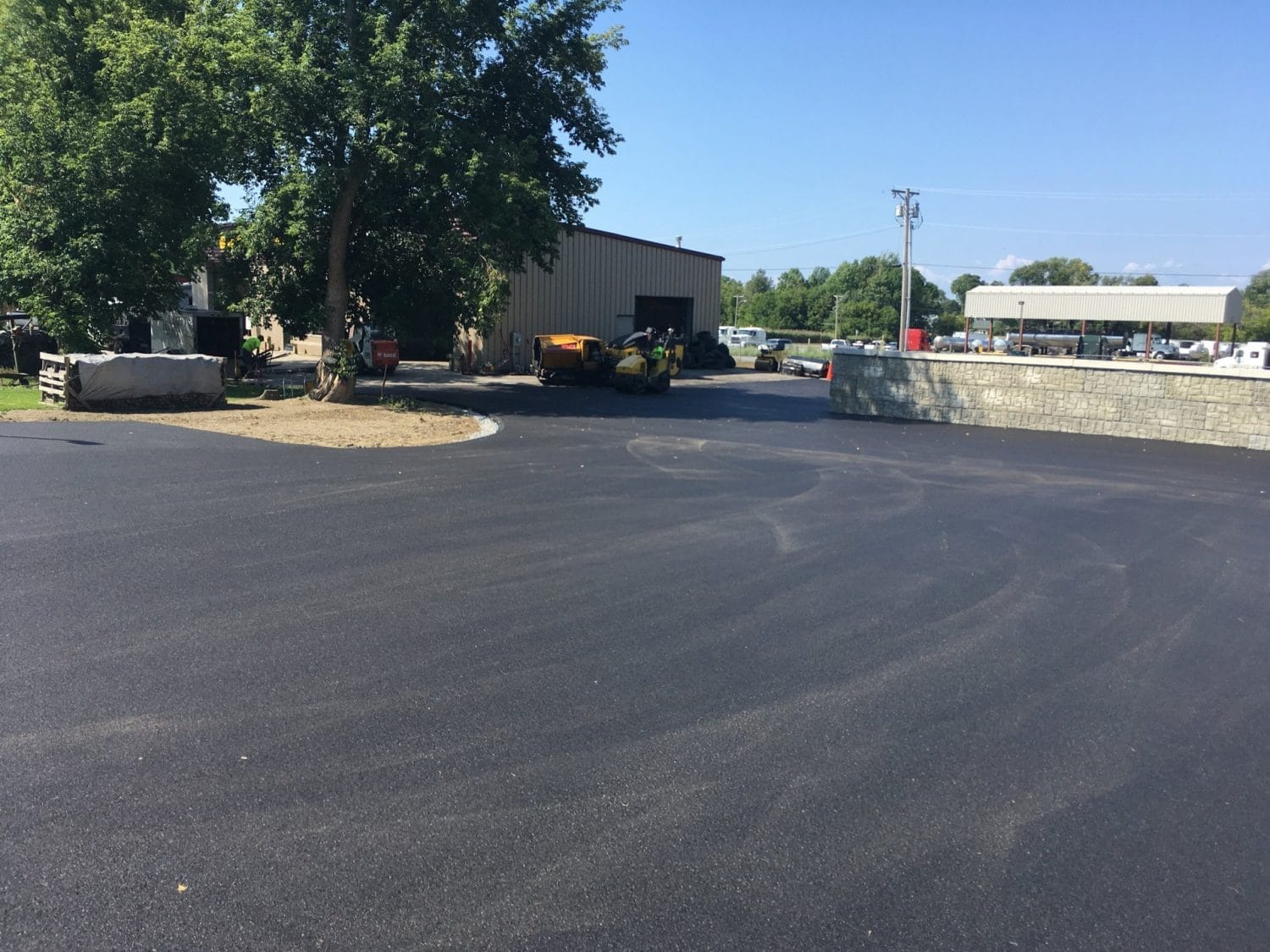
Support community traffic with professional road paving in Corpus Christi, TX. We construct and resurface neighborhood streets, subdivision roads, and municipal projects with quality asphalt. Our team follows specifications, manages traffic control, and delivers smooth, long-lasting roadways for drivers and residents.
Precision Asphalt Corpus Christi provides professional road paving throughout Corpus Christi, TX, Texas and the surrounding area. Our licensed, insured crew delivers safe, clean, on-time work with a free estimate before anything begins. Call (361) 266-1487 or request your free quote.
Road Paving for Corpus Christi Streets That Actually Hold Up
In Corpus Christi, road paving has to deal with intense sun, salt air, and sudden heavy rains. That combination can destroy a poorly built road in just a few years. At Precision Asphalt Corpus Christi, our road, street, and municipal paving work starts with understanding how your specific roadway is used and what it sits on. A low speed residential street off Everhart needs something different than a busy cut-through near SPID or a truck route serving light industrial areas.
Before any asphalt goes down, we look at traffic type and volume, truck percentages, expected turning movements at intersections, and drainage paths. We also check what is under the existing surface. In many older neighborhoods like those off Leopard or Kostoryz, you see thin asphalt over soft, coastal soil that moves and holds water. For these areas we often recommend thicker base rock and better lateral drainage instead of simply laying a new black surface on top of a failing structure.
We build a paving plan that covers excavation depth, base material, asphalt mix, compaction targets, and tie-ins to existing roads and drives. That plan is what controls cost and performance. If a client wants to value engineer a project, we explain exactly which items can be reduced without causing early failures, and which items, like base thickness at intersections, should not be cut.
How Road, Street, and Municipal Paving Actually Gets Done
Proper road paving in Corpus Christi follows a set sequence, but the details matter more than the steps on a list. Precision Asphalt Corpus Christi typically starts by milling or removing the worn surface so we can see and correct underlying problems. For city streets that have been overlaid several times, we often mill to a set depth so curb heights stay correct and drainage still runs to the inlets.
Next is subgrade and base work. We regrade the roadbed to the right crown or cross slope so water sheds to the gutter instead of standing in wheel paths. On soft coastal clays we may undercut and replace a few inches with compacted limestone base or crushed concrete, particularly in areas where heavy trucks stop or turn. We compact every lift to a specified density using vibratory rollers, and we proof-roll problem areas to find soft spots before asphalt hides them.
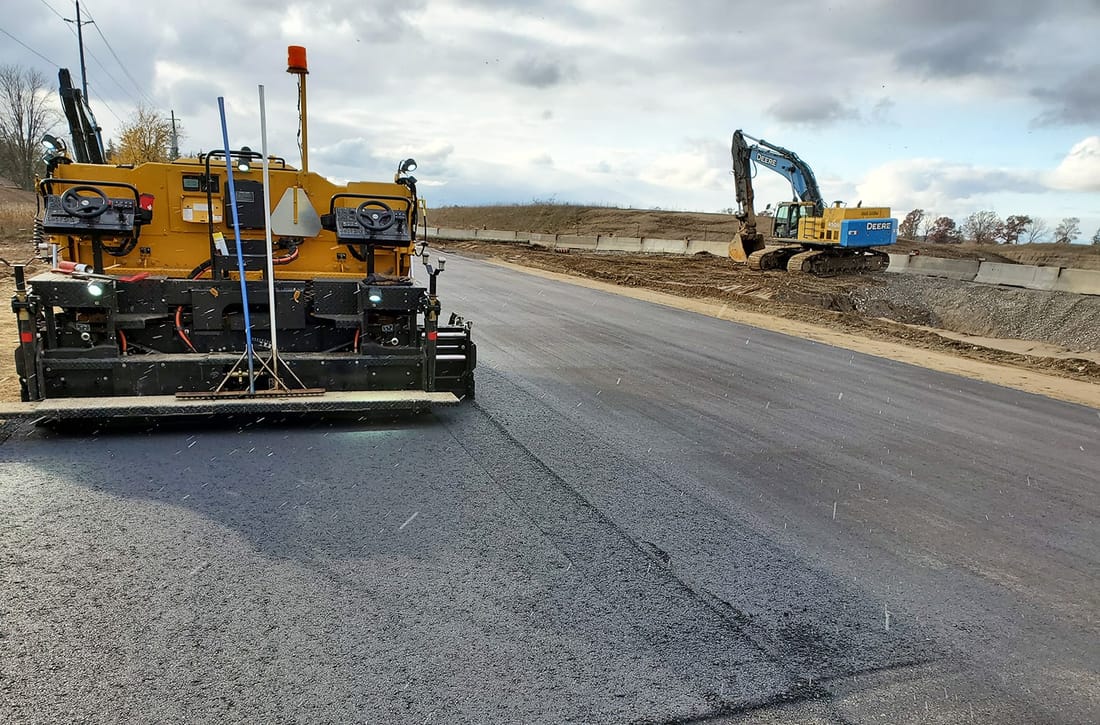
Once the base is sound, we place hot mix asphalt in one or more lifts. For local streets with light traffic, a single 2 to 3 inch mat might be enough. For collector roads or school zones that see buses all day, we often recommend a thicker total section with a stronger base course mix on the bottom and a finer surface mix on top. We control asphalt temperature from plant to paver, monitor joint locations, and use steel drum and pneumatic rollers in the right sequence so the mat is tight at the joints and along gutters.
The final step is finishing and striping. We cut clean joints at driveways and intersecting streets, tack the edges, seal utility collars, and then return to apply lane striping, crosswalks, and legends once the asphalt has cooled and cured enough that paint or thermoplastic will bond correctly.
Material Choices and Design Options for Coastal South Texas Roads
Not all asphalt is the same. In Corpus Christi, the heat and UV exposure can make a mix that works inland age too fast. Precision Asphalt Corpus Christi works with suppliers to use performance graded binders and aggregates that tolerate high pavement temperatures in mid summer. For neighborhood streets, we usually recommend a dense graded hot mix designed for slower speeds and frequent stopping. For longer runs like access roads or rural routes, a different blend can give better fuel resistance and smoother ride quality.
For streets that already have a solid base but a worn surface, we may propose a mill and overlay instead of full depth reconstruction. This involves grinding off the top 1 to 2 inches, repairing isolated base failures, then placing a new surface course. It costs less than rebuilding from the subgrade up and can be completed faster, which limits closures for residents and businesses.
On lightly traveled municipal streets and some utility access roads, a chip seal or chip seal with a thin overlay can be a sensible choice. It gives a waterproof surface and improves skid resistance without the cost of a thick asphalt mat. We are candid about where chip seal is a good fit and where it will cause dust, loose rock, or noise complaints. For emergency routes, steep grades, or sharp curves, we recommend full hot mix asphalt instead.
Drainage design is another place where local knowledge matters. Many Corpus Christi streets rely on shallow gutters and limited storm drain capacity. If asphalt paving accidentally raises the road too much at the gutter line, water backs up into yards or carports. Our crews set string lines, check gutter elevations, and adjust compacted thickness so the final surface still sends water to inlets instead of toward homes and businesses.
What Drives the Cost of Road Paving in Corpus Christi
Road paving costs are mostly driven by four things: how much material is needed, how difficult it is to work in the area, how much base repair is necessary, and traffic control requirements. Precision Asphalt Corpus Christi breaks these items out clearly so city staff, HOAs, or commercial owners can see why one street might price very differently from another.
Material quantity comes from length, width, and pavement thickness. A 2 inch overlay on a quiet cul-de-sac can be relatively inexpensive per foot. A 4 to 6 inch full-depth rebuild on a bus route or industrial street is a very different project. Local access issues also matter. Narrow streets in older parts of town can slow production because trucks and pavers have less room to maneuver around parked cars, trees, and utilities.
Base repair is often the biggest wild card. A road that only shows surface cracks might have deep soft spots from years of water intrusion. We often recommend a test strip or a few small exploratory cuts in older Corpus Christi neighborhoods so we can estimate how much undercutting and base replacement will be needed. Spending on base before paving avoids the much higher cost of patching potholes and failed areas within a year or two.
Traffic control and phasing are especially important for school zones, apartment complexes, and busy connectors. Setting up proper signage, flaggers, detours, and staging areas takes planning and labor. We often schedule work in segments, night shifts, or weekend windows to keep emergency vehicle routes open and to minimize disruption to residents and businesses. These decisions affect total cost, but they also prevent accidents and complaints.
Common Road Problems Here and How We Address Them
Corpus Christi roads see a unique mix of problems: sun-baked oxidation, rutting where trucks brake or accelerate, and water damage around inlets and low spots. Precision Asphalt Corpus Christi focuses on fixing the cause of these issues, not just covering them. For example, if we see fatigue cracking and small potholes along the wheel paths, we look at drainage and base support. Simply patching the surface without improving base or slope will only buy a short reprieve.
Thermal cracking is another issue in our climate. Long, straight cracks that open and close with the seasons often show up on older roads that were not built with the right joint spacing or mix design. When we reconstruct or overlay those streets, we adjust joint layout and use mixes that resist shrinkage and brittleness. We also seal new and existing cracks where appropriate so water does not get a free path down to the base.
Near the bayfront, ship channels, and low lying areas, salt and high groundwater can shorten pavement life. In these locations, we look closely at base material, edge drainage, and whether a slightly thicker asphalt section will pay for itself by avoiding frequent patching. We also coordinate with utility providers to manage manholes, valves, and boxes so they sit flush with the new surface and do not become impact points that start new failures.
Before any project, we encourage municipal clients, property managers, and HOAs to walk the site with us. We point out what can be preserved, what truly needs replacement, and where simple maintenance like crack sealing or localized patching might extend pavement life for several more years. That way you invest in road paving where it matters most, and you get a result that actually matches how your streets are used every day.