Home › Commercial Gravel-to-Asphalt Conversions
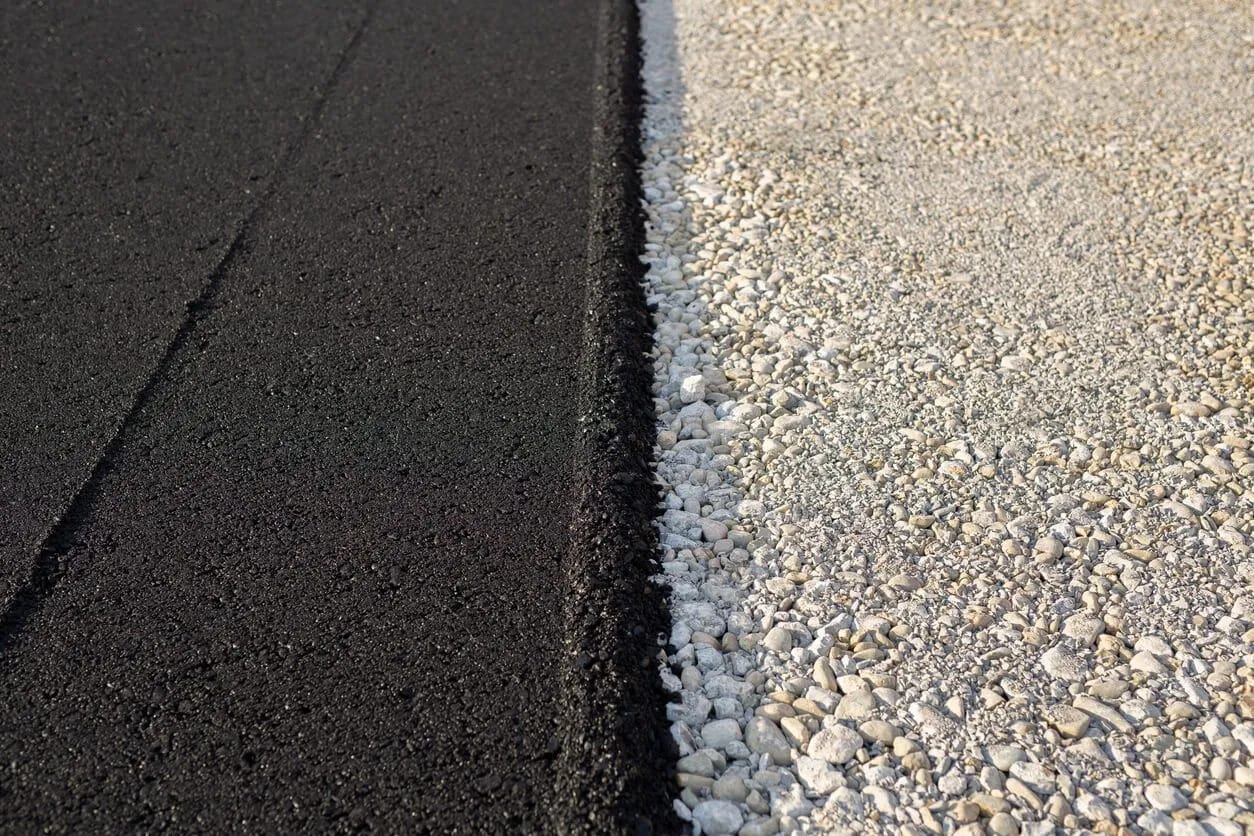
Upgrade rough gravel surfaces with commercial gravel to asphalt conversions in Corpus Christi, TX. We turn dusty lots and access roads into smooth asphalt that is easier to plow, stripe, and maintain. Businesses benefit from cleaner properties, better drainage, and more professional appearances.
Precision Asphalt Corpus Christi provides professional commercial gravel to asphalt throughout Corpus Christi, TX, Texas and the surrounding area. Our licensed, insured crew delivers safe, clean, on-time work with a free estimate before anything begins. Call (361) 266-1487 or request your free quote.
Turn Your Gravel Lot Into a Smooth, Professional Asphalt Surface
If you manage a commercial property in Corpus Christi, you already know how frustrating a gravel lot can be. Dust all over parked cars, ruts after every rainstorm, and constant complaints from tenants, customers, and delivery drivers. At Precision Asphalt Corpus Christi, our commercial gravel to asphalt conversions are built specifically around the conditions we see on the Coastal Bend: intense sun, heavy rains, and clay soils that love to shift.
When we convert a gravel parking lot or drive lane to asphalt, we are not just throwing blacktop over your existing rock. We evaluate how your business actually uses the space. That includes traffic volume, turning patterns for trucks, drainage paths during storms, and where water tends to pond. A retail center that sees lots of short-term parking needs different design choices than a warehouse yard that takes 18‑wheelers all day.
The end goal is a surface that looks professional and holds up under Corpus Christi weather and traffic. You get easier maintenance, cleaner interiors in your building, better ADA access, and a property that makes a stronger first impression on customers and tenants.
Our Step‑by‑Step Gravel‑to‑Asphalt Conversion Process
Every commercial gravel to asphalt project starts with a site visit. We walk the lot with you, ask about problem areas, check existing gravel depth, and look closely at drainage. In many parts of Corpus Christi we see low spots where water sits for days after a storm. Those have to be corrected in the design or your new asphalt will fail early.
Next we perform grading and subgrade work. We shape the existing gravel to create the right slope so water flows to drains or outfalls instead of toward your building. If the existing base is thin or contaminated with clay, we bring in additional base rock and compact it in layers using commercial rollers. This step is critical in our local soils, because the mix of sand and clay under many gravel lots will pump and move if it is not reinforced properly.
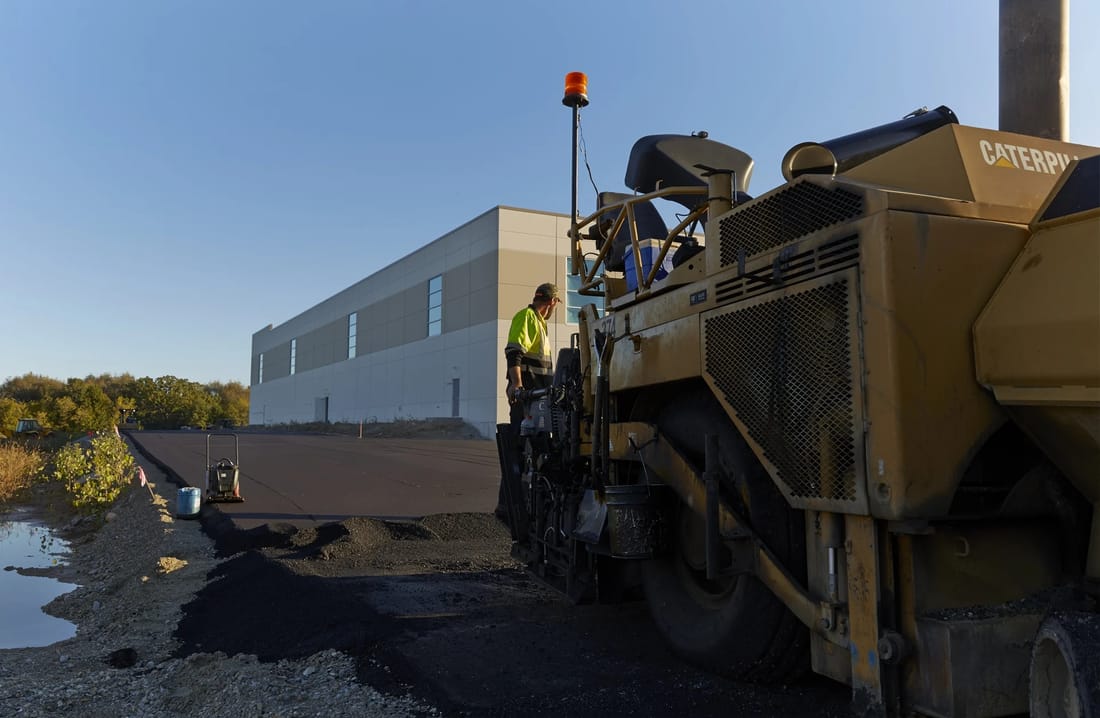
Once the base is stable, we typically install a tack coat on any existing paved tie‑ins (like connecting to city streets or neighboring pavements) so the new asphalt bonds tightly. Then we pave with hot mix asphalt from local Corpus Christi plants. For light car traffic, we usually recommend a single lift of 2.5 to 3 inches compacted thickness. For truck routes, loading docks, or dumpster pads, we increase thickness and sometimes use a heavier duty mix in those zones.
We complete the conversion with compaction, joint sealing where needed, and then striping and signage. If ADA compliance is a concern, we can set proper slopes, install ramps, and lay out accessible stalls and routes that meet code. Throughout the project we coordinate access so your business can keep operating, often phasing the work so part of the lot stays open.
Design Options For Commercial Gravel‑to‑Asphalt Projects
A gravel lot may look simple, but once you move to asphalt, design choices really matter. Precision Asphalt Corpus Christi helps you choose the right pavement thickness, layout, and details so you get value without paying for things you do not need.
For example, a small office complex with mostly passenger vehicles might be perfectly served by a standard commercial asphalt section over a compacted base. A busy distribution center on the south side of Corpus Christi, where 18‑wheelers turn in tight circles, usually needs thicker asphalt or even reinforced sections at loading bays and entry aprons. We may recommend a thicker base rock layer under those heavy traffic areas, even if the rest of the lot is built lighter.
You also have options for how the finished space functions. This is a good time to adjust parking layouts, add or move accessible parking, improve traffic flow, or carve out dedicated delivery lanes. Many local property owners use the conversion phase to fix long‑standing issues like confusing circulation or lack of defined fire lanes.
For drainage, we look at whether simple surface slopes are enough or if you need additional inlets or swales. In some flat parts of Corpus Christi, we recommend subtle crown designs in drive aisles so water sheds evenly instead of soaking into the edges and softening the base. We can also incorporate concrete features like rolled curb, valley gutters, or dumpster pads where hot mix asphalt would otherwise deform or rut over time.
Finally, we discuss surface treatments. If your asphalt will see a lot of sun and light vehicle traffic, a periodic sealcoat program can extend its life and keep it looking good. We can build that future maintenance plan into the design so you know exactly what to expect over the next 5 to 10 years.
What Drives Cost And How To Avoid Expensive Surprises
Commercial gravel to asphalt conversions in Corpus Christi vary widely in cost, mostly based on what we find under your existing rock. If you already have a deep, well‑compacted base, we may only need to fine‑grade and pave. If we discover thin gravel over soft, saturated subgrade, we have to rebuild more of the structure to prevent early failure.
Key cost drivers include the thickness of new base rock, the thickness of asphalt, the total square footage, and how many specialized areas you need for heavy loads. Access issues can also affect cost. Tight sites or lots that must stay partially open sometimes require smaller equipment or additional phases.
To help you avoid surprise change orders, Precision Asphalt Corpus Christi is straightforward about base conditions. When appropriate, we can proof‑roll the lot before paving. If the surface deflects or pumps under the roller, we know which zones need undercutting or stabilization. Addressing those spots before paving costs less than coming back later to fix failures.
Drainage corrections are another area that can impact the budget but pay off long term. Shaving a slope, installing a drain inlet, or reworking a low area during the conversion is much cheaper than repairing water‑damaged asphalt later. During our proposal process, we point out optional improvements and explain the tradeoffs so you can make informed decisions instead of being surprised at the end.
If you are comparing bids from different asphalt contractors, pay close attention to specified thicknesses, base work, and whether striping and ADA features are included. A cheaper bid that skimps on base or asphalt thickness might look good on paper but can cost far more when ruts and potholes appear a few years after your gravel to asphalt upgrade.
Local Issues We Solve Every Week And How To Get Started
Corpus Christi has its own set of pavement challenges that a generic paving template does not address. High heat softens poorly built asphalt, sudden downpours test drainage, and coastal moisture can keep subgrades damp. At Precision Asphalt Corpus Christi, our crews deal with these conditions every week, particularly on former gravel lots that were never engineered for long‑term pavement.
We often see three common problems on local commercial gravel to asphalt jobs: standing water near building entrances, severe rutting at delivery truck routes, and dust complaints from nearby tenants or neighbors. On conversions, we take extra care at transition areas like drive connections to local streets and around existing concrete. Proper sawcutting, bonding with tack coat, and smooth tie‑ins keep these areas from breaking apart under turning traffic.
Before you hire anyone, walk your gravel lot after a rain if you can. Note where water sits, where delivery trucks turn, and where customers tend to park. Bring those observations to your site meeting. The more we know about how the space really works, the better we can design your new asphalt surface.
Getting started is simple. We schedule a site visit, review your goals and budget, measure the lot, and then provide a written proposal that spells out the base preparation, asphalt thickness, drainage changes, and striping plan. If you have a tight schedule (for example, coordinating with tenant move‑ins or seasonal traffic), tell us early so we can phase the work or plan weekend or off‑hour paving.
When your commercial gravel to asphalt conversion is complete, we walk the site with you, review maintenance recommendations, and answer questions about warranties and future sealcoating. Our goal is not just to leave you with a smooth black surface, but with a long‑lasting pavement that truly fits how your Corpus Christi property operates day to day.